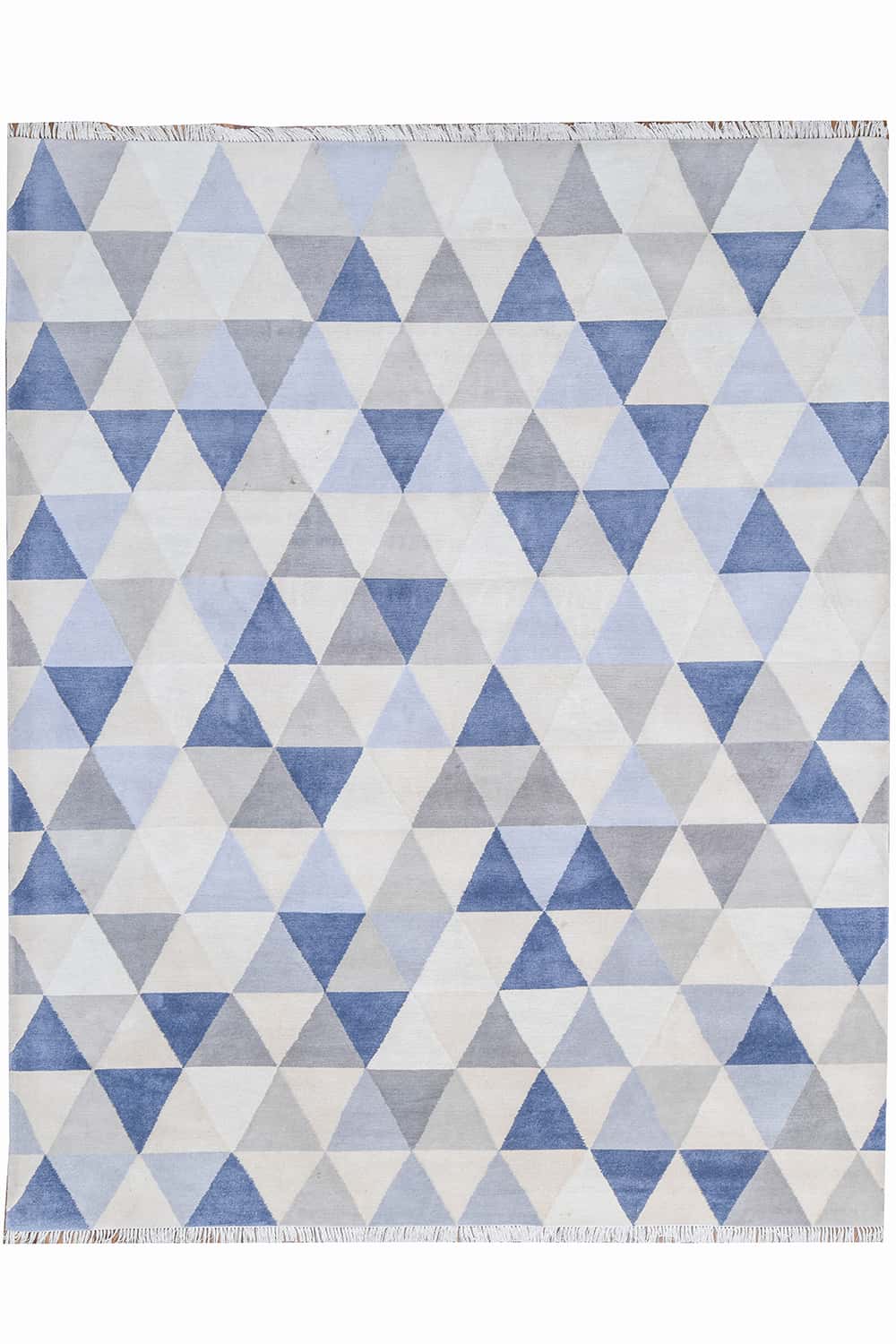
A handmade carpet can be a statement piece for your space. When purchasing one, you would want to ensure it has the said aura.
A fine, high-quality handmade carpet is one that is hand-knotted lasts for decades. Several antique rugs are known to have lasted for more than a 100 years, which is not a rare sight.
Before buying a handmade carpet, it is important to understand what gives a rug the label of being a fine, high-quality piece.
What do “fine” and “high quality” actually mean for rugs?
Most antique rugs are handmade from natural fibres, such as wool, which has strong insulating properties, is naturally antibacterial, and will last for generations. Buying an antique Persian rug may come with a higher price tag but it is an investment that will stand the test of time. Unlike some inexpensive, factory-made rugs, hand-knotted antique rugs may have already been around for decades, with their colour and appearance still as beautiful as the day they were made.
What to look for in handmade carpets: Knot density of the rug
When someone mentions a fine hand-knotted rug, in addition to the carpets beauty, texture, and quality, the reference is mostly to the quality of raw material, lineage (especially for antiques) and knot density of the rug. Knot density is determined by calculating the total knot counts per square inch, square centimetres, or any other specified unit of measurement as per the area.
A handmade carpet created with natural fibre (wool, silk cotton etc), natural or azo-free dyes and a higher knotting ranks higher than machine made or tufted rugs made with synthetic materials and chemical dyes.
Although, there are standard benchmarks for a rug to be known as a fine weave or otherwise, it is crucial to understand whether the rugs are being compared in general or based on their specific location. Rugs from different parts of the world have typical knot counts for the pieces crafted in their respective locations.
Let’s talk about the Persian city of Tabriz, which is known for being the hub for rug weaving schools since the 16th century. Here, a density of 400 knots per square inch (KPSI) is considered an average weave. A handmade carpet with a knot count in 1000’s is what these areas consider a fine weave.
On the contrary, a tribal rug will have a knot density ranging between 50-80 KPSI. A rug having a knot density of more than 80 is considered a high-quality weave. A handmade carpet with a high knot density is durable and has a soft and plush feel.
2. What to look for in handmade carpets: Design of the carpet
With a greater knot count comes a complex and sophisticated design. Rugs with higher knot density comprise curvilinear patterns and shading. Low knot density is suitable for rugs with simple geometric designs.
High-knotting is thus essential for more intense and busy patterns to bring out the beauty and intricacy of the design. Low knotting can be forgiving for open patterns, however, it will determine the longevity of the piece, especially for newly made rugs.
3. What to look for in handmade carpets: Time consumed to weave a rug
A finely-woven hand knotted rug takes time for completion.
A rug sized 9-feet by 12-feet with a knot density of 400 KPSI takes about 12-16 months to complete. This takes into account the number of weavers working on it at a time and the total hours and days they spend weaving a handmade carpet. The total number of knots tied in a day by an average weaver is also an important factor.
If you’re trying to identify a fine and high-quality rug, remember that your decision should be a factor of not just the outer charm of a carpet. The knot density, rug design, and the time taken to finish the weaving should be given due consideration.
The Carpet Cellar is a gallery for the finest handmade carpets. It houses several handcrafted and hand-knotted treasures, carefully curated for their distinctiveness and excellence over the past four decades. To know more about handmade carpets and their intricacies, reach out to us or check out: