Cotton, silk or wool carpets – Which material is best?
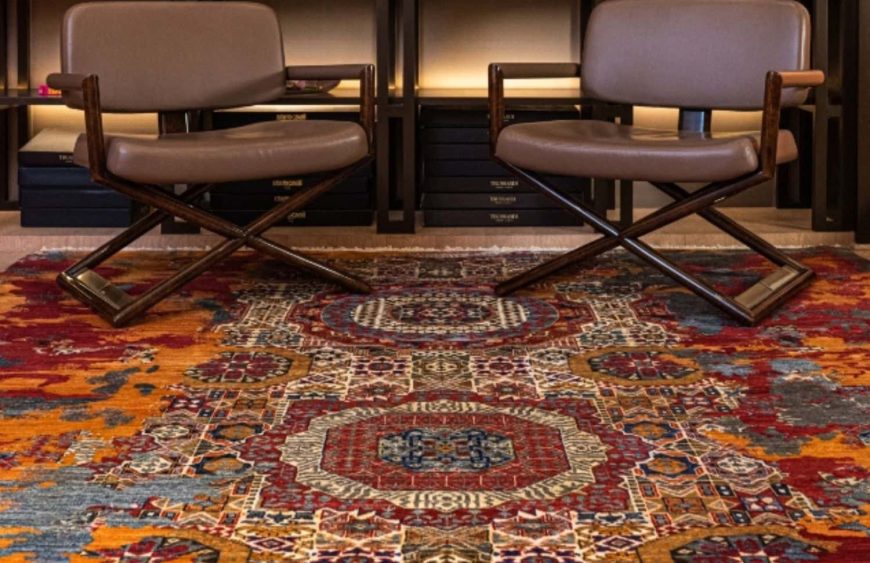
Carpets are some of the most widely used floor covering. It offers several advantages such as durability, comfort, and variety. A high-quality carpet is an investment piece and in many cases passed on from one generation to another as a family heirloom.
Today, you will find natural wool carpets, silk carpets, jute rugs, and various other synthetic fibres such as viscose, nylon, polyester etc. While choosing a carpet, some factors to consider should be –
Climatic conditions
Existing flooring
Traffic in the area where the carpet has to be used
Wool Carpet
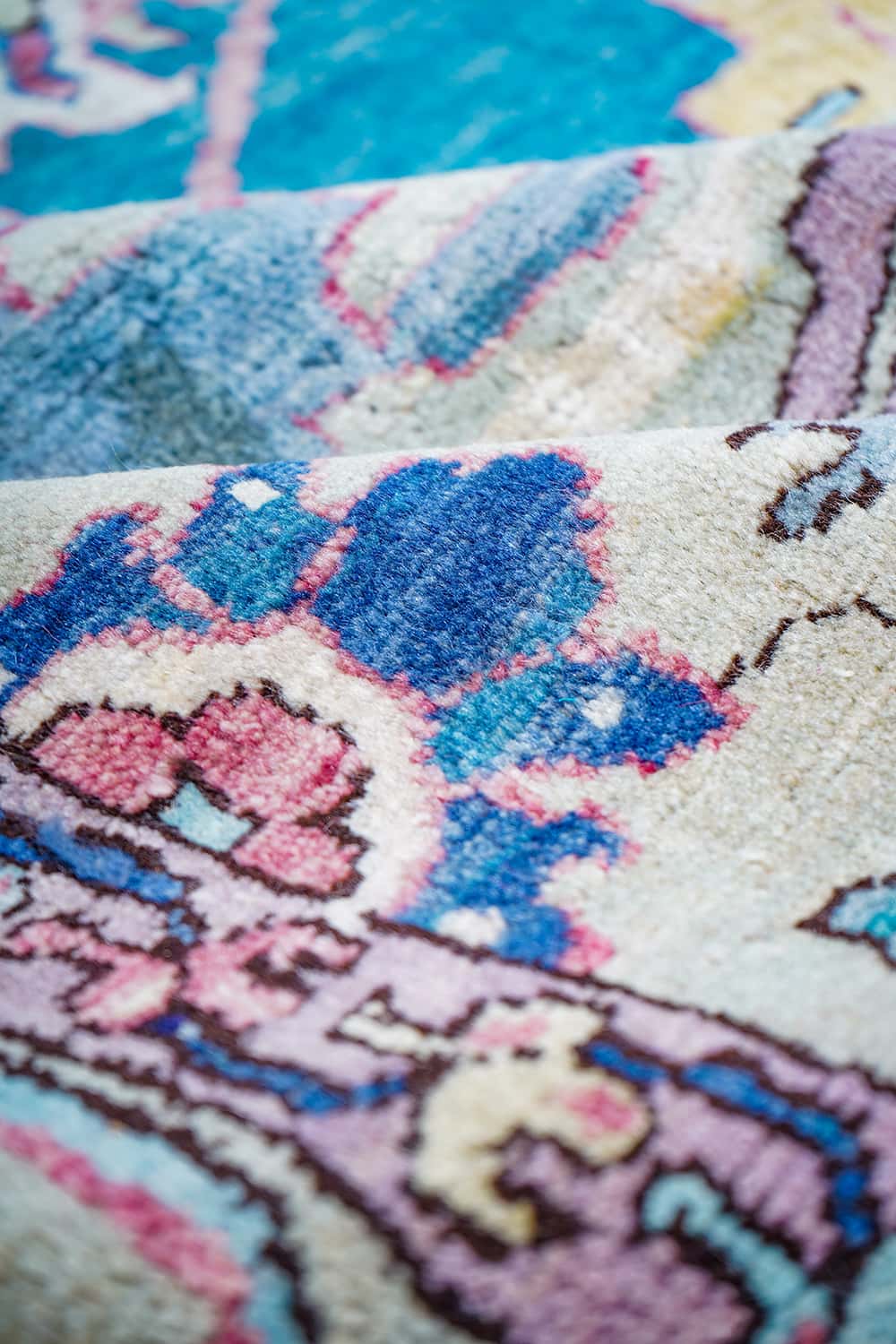
Hand-knotted wool carpets are an excellent option due to their natural, breathable fibre. Especially for those with allergies, asthma, or other respiratory problems, these hand-knotted carpets pose less of an issue. They are also very durable and last the longest.
Hand-knotted wool carpets are more expensive than other types of carpets such as tufted and machine-made because the time and resources needed to create them are significantly higher. The process begins with spinning raw fibre materials into yarn which can be used for weaving the woollen carpet
Once the warp and weft are woven, each knot is tied by hand. This is an extremely labour intensive process but results in a superior product. It is one of the natural and safest materials for making carpets and does not emit any volatile organic compounds.
Cotton Rugs
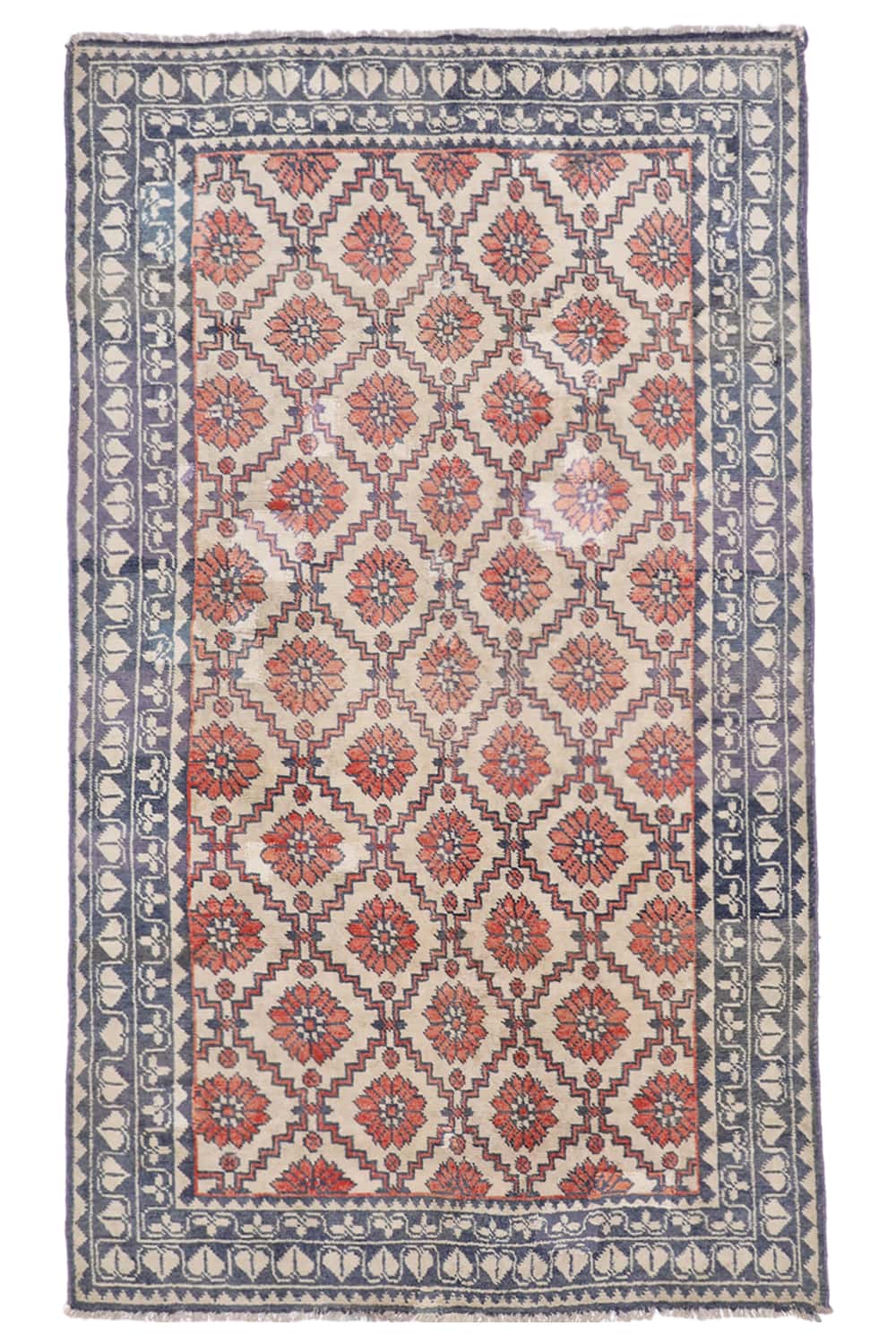
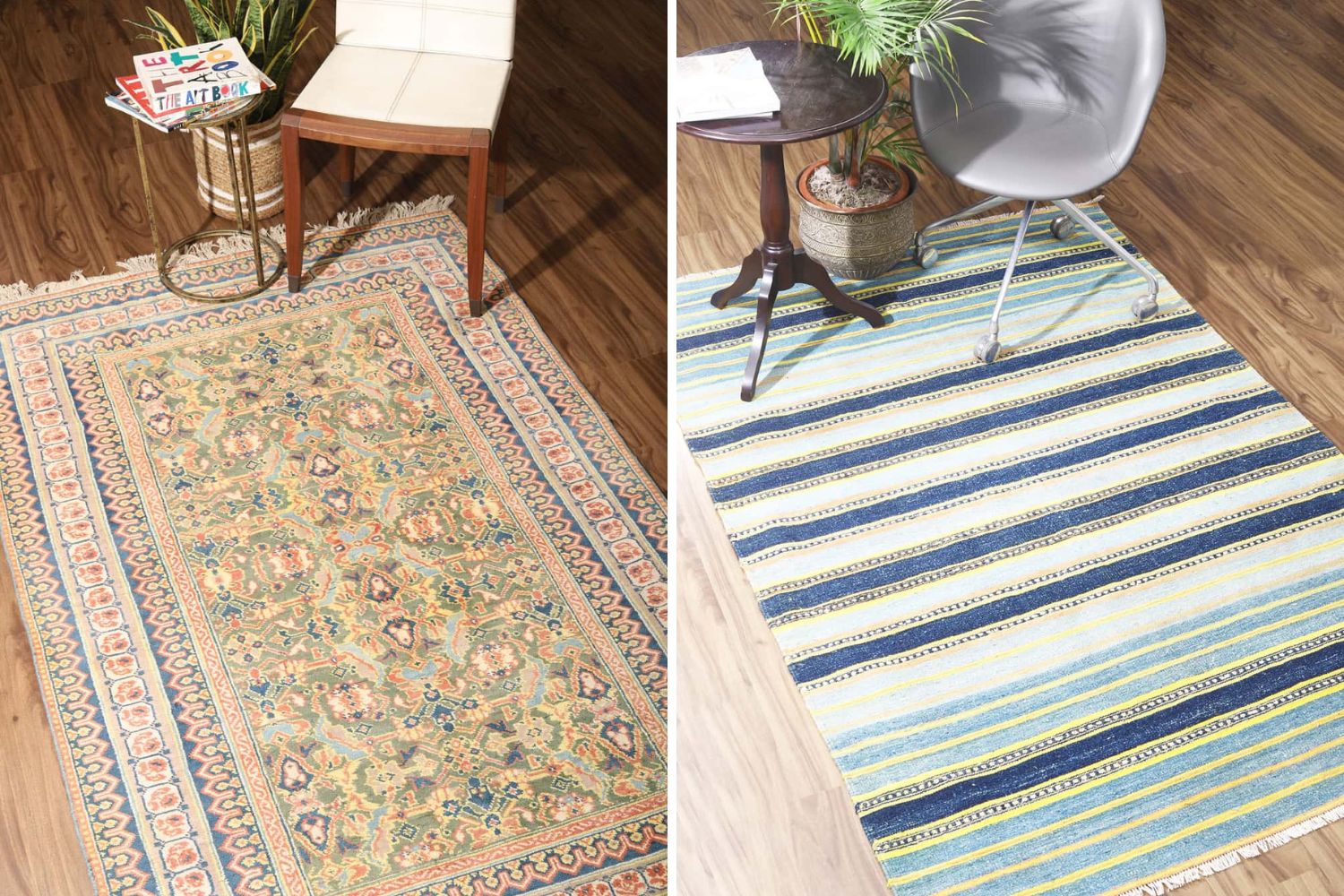
Cotton rugs can either be flatweaves (also referred to as Dhurries) or a carpet with the knotting material being cotton. Almost all hand-knotted carpets are created on a cotton foundation. If the handwoven base is designed as a flatweave, the pattern comes alive through the weaving of the warp and weft. In the case of a carpet, further knotting takes the shape of the pattern or design.
Similar to hand-knotted wool carpets, cotton, being a natural fibre is long-lasting and may be utilized in many styles. Such carpets are available in a variety of hues, allowing them to match any type of decor. The raw material may be acquired without having a detrimental influence on the environment, and its manufacture has a minimal environmental impact due to its quick dyeing and drying process.
Silk Carpets
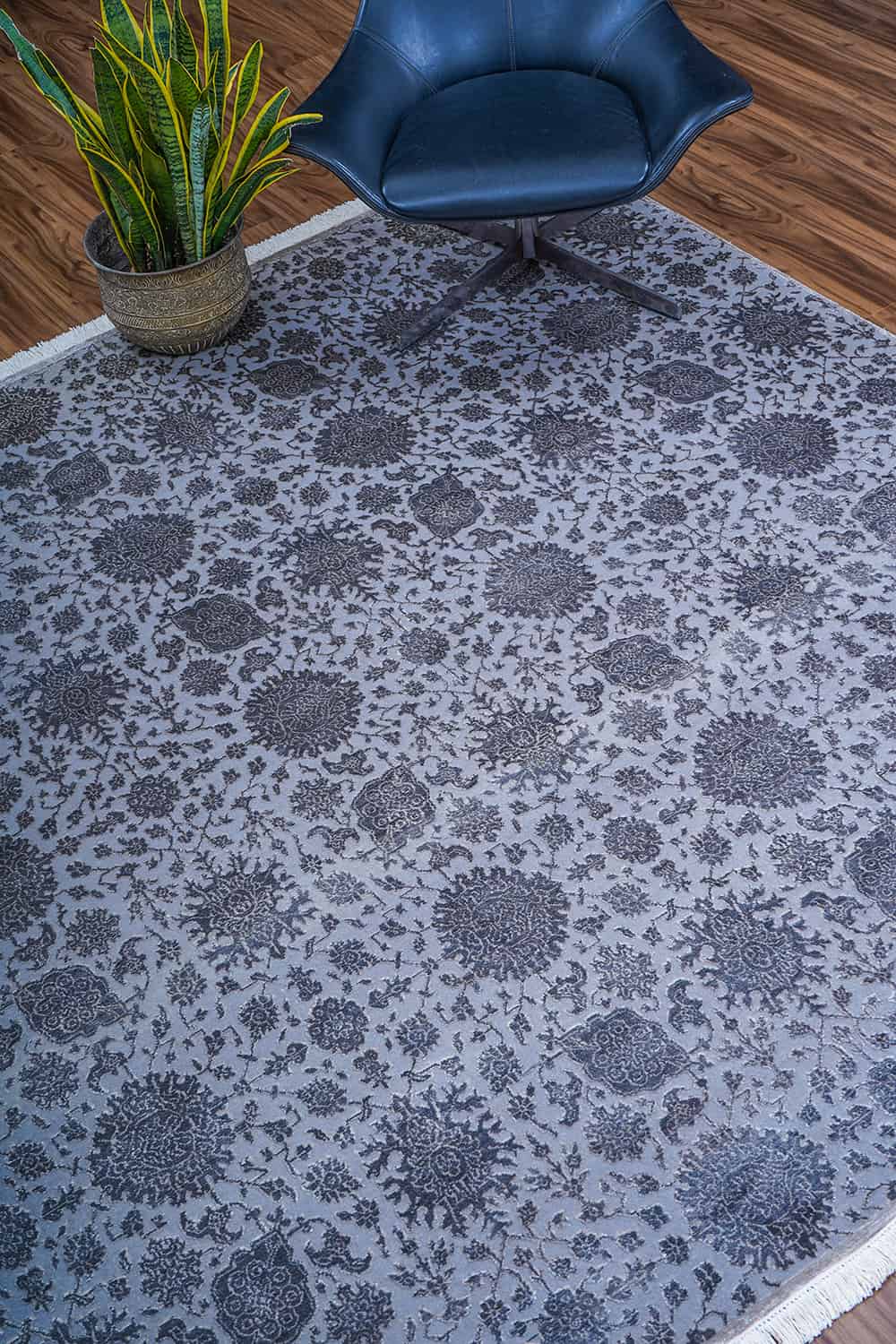
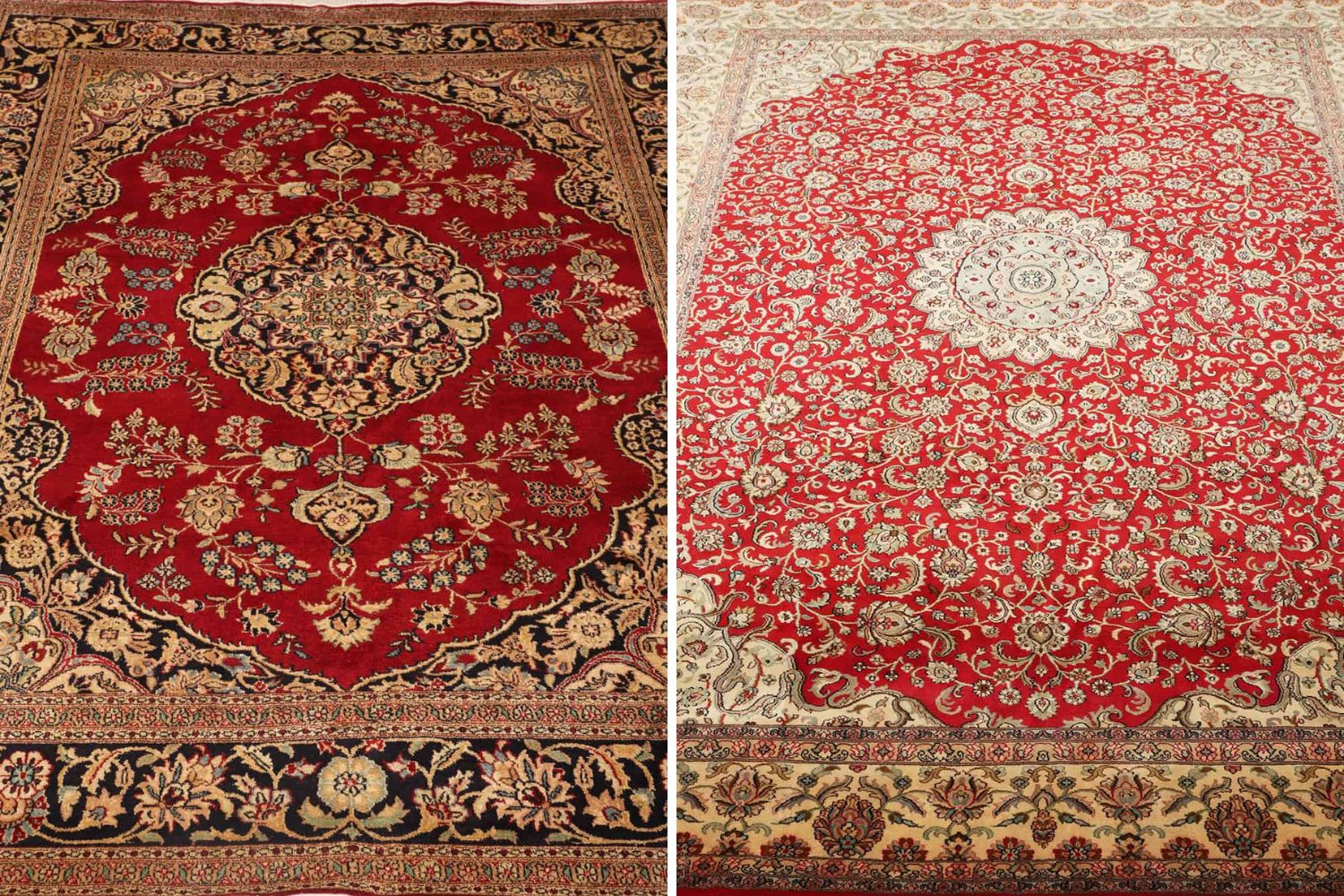
When it comes to high-end interior design, silk carpets ooze class. From designer brands to high-end products, these carpets create a sense of grandeur that is unmatched. With their rich history and style, silk carpets can say class, elegance, and grace in almost every room in the house.
However, it is important to note the various kinds of ‘silk’ fibre available today. One of the better varieties of silk is mulberry silk and comes from the silkworm. This is also one of the best fibres and has an unmatched sheen and quality. This quality of silk is also used in clothing and commands a high value. Silk carpets will typically be extremely intricate but also durable, despite being silk. Other varieties are bamboo silk or art silk, saree silk (silk which could be tussar or muga, taken from recycled sarees).
Another aspect to consider is the foundation of a silk carpet. These usually come in 2 varieties – Silk knotting on a cotton foundation and silk knotting on a silk foundation. The latter is the finest piece of art there is and is often displayed in the form of a wall hanging. The superior knotting technique and intricacy is beyond anything the eye can imagine
Add Your Heading Text Here
Carpets may ordinarily be seen as a mere floor covering to complement the existing décor or add color however, certain kinds can be perceived as so much more: